
Introduction
Selecting the correct nozzle size is one of the most important steps in achieving reliable and high-quality 3D printing results. Many users spend time adjusting temperatures, print speeds, and cooling settings while overlooking the impact of nozzle diameter. When printing with PETG or PETG-Basic, the nozzle size directly affects print quality, strength, speed, detail, and overall success. A well-matched nozzle helps create smooth layers, strong bonding, and consistent extrusion, making every project more dependable.
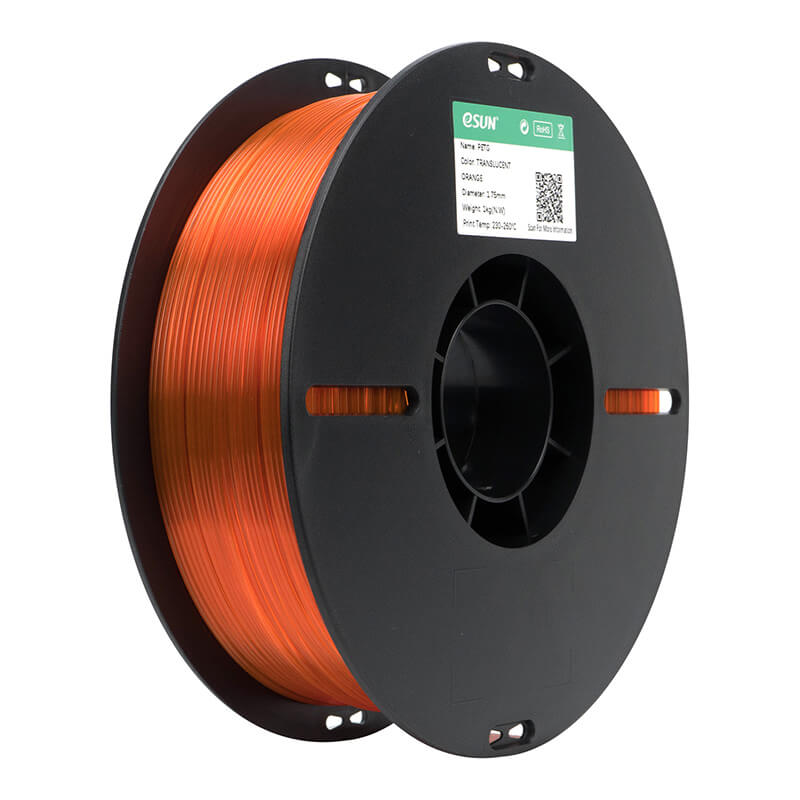
If you use quality materials from esun, choosing the right nozzle becomes even more valuable because premium filament performs best when paired with suitable hardware settings. PETG Filament is known for its excellent balance of durability, flexibility, and ease of printing, making it a popular choice for hobbyists, engineers, educators, and manufacturers. This guide explains how different nozzle sizes affect PETG and PETG-Basic printing while helping you choose the best option for your specific applications.
Why Nozzle Size Matters When Printing PETG
The nozzle is responsible for controlling how melted filament is deposited onto the print surface. Even a small change in nozzle diameter can significantly affect print speed, surface finish, layer bonding, and dimensional accuracy. When working with PETG, selecting the proper nozzle allows the material to flow consistently while reducing the chances of under-extrusion or excessive stringing.
PETG offers excellent layer adhesion compared to many common printing materials, but it also requires balanced extrusion. A nozzle that is too small may increase printing time and become more susceptible to clogs, especially during long prints. On the other hand, a larger nozzle allows more material to flow smoothly, improving print speed and strength while sacrificing some fine detail. PETG-Basic behaves similarly, offering dependable printability for everyday projects while maintaining the strong mechanical properties users expect from quality PETG Filament. Understanding these differences helps users match nozzle size with their project goals rather than relying on default printer settings.
Understanding Common Nozzle Sizes for PETG and PETG-Basic
The most common nozzle size found on consumer 3D printers is 0.4 mm, and for many users, it provides an excellent balance between print quality and printing speed. With PETG and PETG-Basic, a 0.4 mm nozzle delivers sharp details while maintaining reliable extrusion. It is suitable for functional parts, household items, educational models, prototypes, and decorative prints. This size is often recommended as the starting point for beginners because it handles a wide range of applications without requiring significant printer modifications.
Larger nozzle sizes such as 0.6 mm and 0.8 mm become valuable when printing large models or structural components that prioritize strength over fine surface detail. These nozzles reduce print time because they extrude more material with each pass. Smaller nozzles like 0.2 mm are better suited for highly detailed miniatures or precision models, although PETG requires careful tuning when using such narrow openings. Users purchasing premium PETG Filament from esun often find that consistent filament diameter and manufacturing quality make it easier to achieve successful prints across different nozzle sizes.
Matching Nozzle Size with Your Printing Projects
Every project has different requirements, so selecting the ideal nozzle depends on what you plan to print. If your goal is to produce detailed display pieces, architectural models, or finely textured objects, a smaller nozzle helps capture intricate features. While PETG can produce excellent detail, slower printing speeds and careful calibration are often necessary to prevent defects and maintain consistent extrusion.
For practical applications such as brackets, storage containers, machine parts, workshop tools, and engineering prototypes, larger nozzles offer clear advantages. A wider extrusion path creates stronger walls, improved layer adhesion, and faster production times. PETG-Basic is especially well suited for these functional prints because it combines dependable printing performance with durability and chemical resistance. Businesses, makers, and educational institutions frequently choose PETG Filament for projects that require dependable mechanical performance, and selecting the appropriate nozzle ensures these material advantages are fully utilized.
Best Printer Settings to Pair with the Right Nozzle
Although nozzle size plays a major role in printing success, it should always be matched with proper slicing settings. PETG generally prints best within manufacturer-recommended temperature ranges while maintaining moderate print speeds. Larger nozzles often require increased flow rates because they extrude more material, whereas smaller nozzles benefit from slower movement to maintain accuracy and consistent extrusion. Layer height should also be adjusted based on nozzle diameter to achieve optimal print quality.
Cooling settings are equally important when printing PETG and PETG-Basic. Unlike PLA, PETG usually performs better with moderate cooling, allowing layers to bond securely without excessive warping. Retraction settings should also be optimized to reduce stringing, which is common when printing PETG. High-quality PETG Filament from esun provides stable extrusion characteristics that simplify printer calibration and help users achieve cleaner prints across different nozzle configurations. Combining quality materials with properly adjusted settings results in smoother surfaces, stronger parts, and greater overall reliability.
Why PETG and PETG-Basic Are Excellent Choices for Everyday Printing
PETG has become one of the most widely used 3D printing materials because it combines many of the strengths of PLA and ABS while minimizing their limitations. It offers excellent durability, impact resistance, moisture resistance, and chemical stability. These qualities make PETG suitable for both indoor and outdoor applications where strength and reliability are important. Whether producing replacement parts, organizers, protective covers, or functional prototypes, PETG consistently delivers dependable results.
PETG-Basic offers many of the same advantages while providing an accessible solution for users seeking reliable everyday printing performance. It is designed for smooth extrusion, stable printing, and consistent layer bonding, making it suitable for beginners and experienced users alike. The product range available through esun reflects years of expertise in material development, helping users achieve professional-quality results across a wide variety of printers and applications. Choosing premium PETG Filament not only improves print consistency but also reduces failed prints and unnecessary material waste.
Tips for Achieving Long-Term PETG Printing Success
Successful PETG printing depends on maintaining both your printer and your materials. Keeping nozzles clean prevents partial clogs that can negatively affect extrusion quality, especially after extended printing sessions. Regular inspection of the hot end, extruder gears, and filament path also helps maintain consistent performance. Storing PETG and PETG-Basic in dry conditions protects the filament from moisture absorption, which can otherwise lead to bubbles, inconsistent extrusion, and rough surface finishes.
Experimentation remains an important part of improving print quality because every printer has unique characteristics. Testing different nozzle sizes, layer heights, print speeds, and temperatures allows users to identify the ideal combination for their specific machine and project requirements. High-quality PETG Filament from esun provides a reliable foundation for these adjustments, allowing users to focus on refining settings rather than compensating for inconsistent material quality. Over time, this combination of premium filament, appropriate nozzle selection, and proper maintenance leads to more efficient printing and consistently successful results.
Conclusion
Choosing the correct nozzle size is a simple decision that has a major impact on PETG and PETG-Basic printing success. While the standard 0.4 mm nozzle remains the best all-around option for most users, smaller nozzles provide greater detail, and larger nozzles deliver stronger parts with significantly faster print times. Matching the nozzle diameter to the intended application allows users to maximize print quality, strength, efficiency, and reliability.
When combined with premium PETG Filament from esun, the right nozzle size helps unlock the full potential of modern 3D printing. Whether you are creating detailed models, functional prototypes, educational projects, or industrial components, understanding how nozzle size influences PETG performance leads to better results with fewer failed prints. By selecting quality materials, optimizing printer settings, and choosing the appropriate nozzle for every project, users can enjoy consistent, professional-level printing success with both PETG and PETG-Basic.